BTT Road & Legal: road safety, transportation and legal research

Road Safety
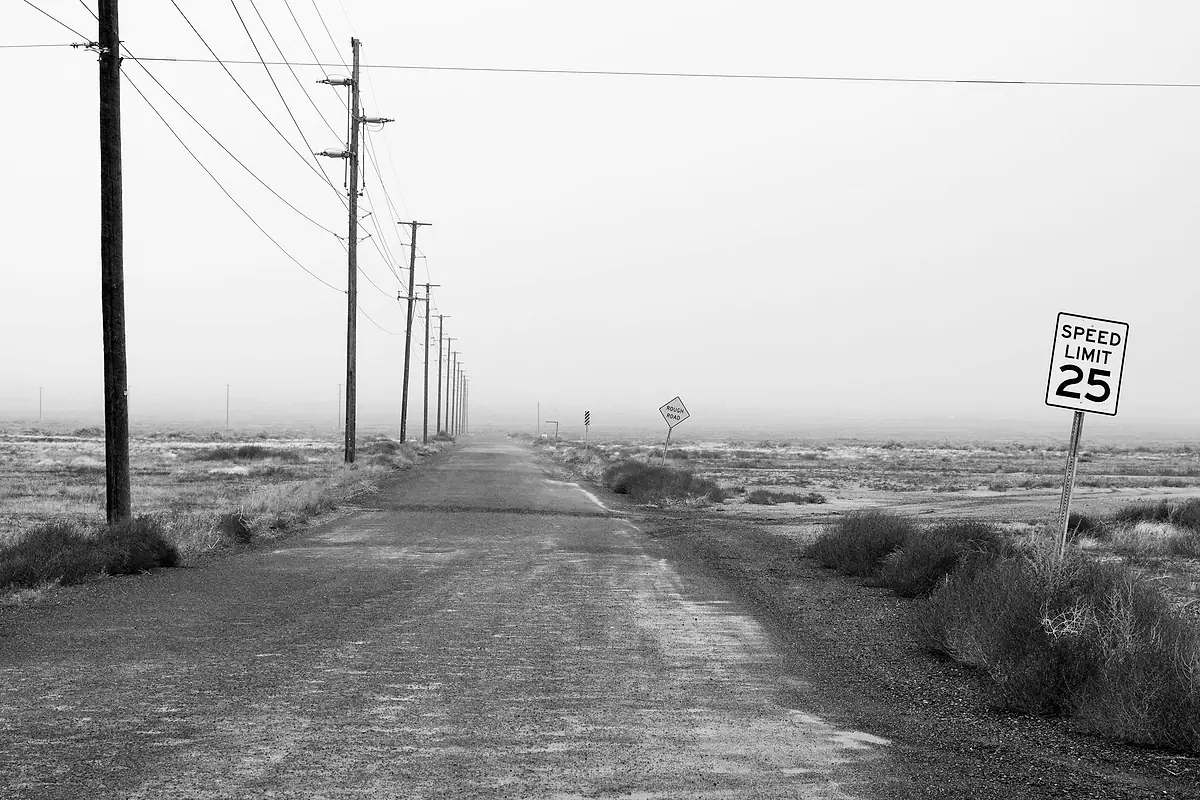
What Percentage of Car Accidents Are Caused by Human Error?
The figure everyone quotes is 94 percent. It comes from a federal survey of crashes from 2005 to 2007, and it measures something narrower than most people who repeat it assume.
Editorial Desk9 min read
Hours-of-Service Rules Explained
Latest
New reporting, explainers and data from every desk.
Research
A Field Guide to U.S. Crash Data: FARS, CRSS, MCMIS and the Causation Studies
Each national crash number comes from a system built to answer one question. A guide to the census, the sample, the carrier files, the one-time causation studies and the compilations that repackage them.
Editorial Desk7 min read
Trucking
Commercial vehicle safety: drivers, carriers, federal rules and the crashes they are meant to prevent.
All trucking coverage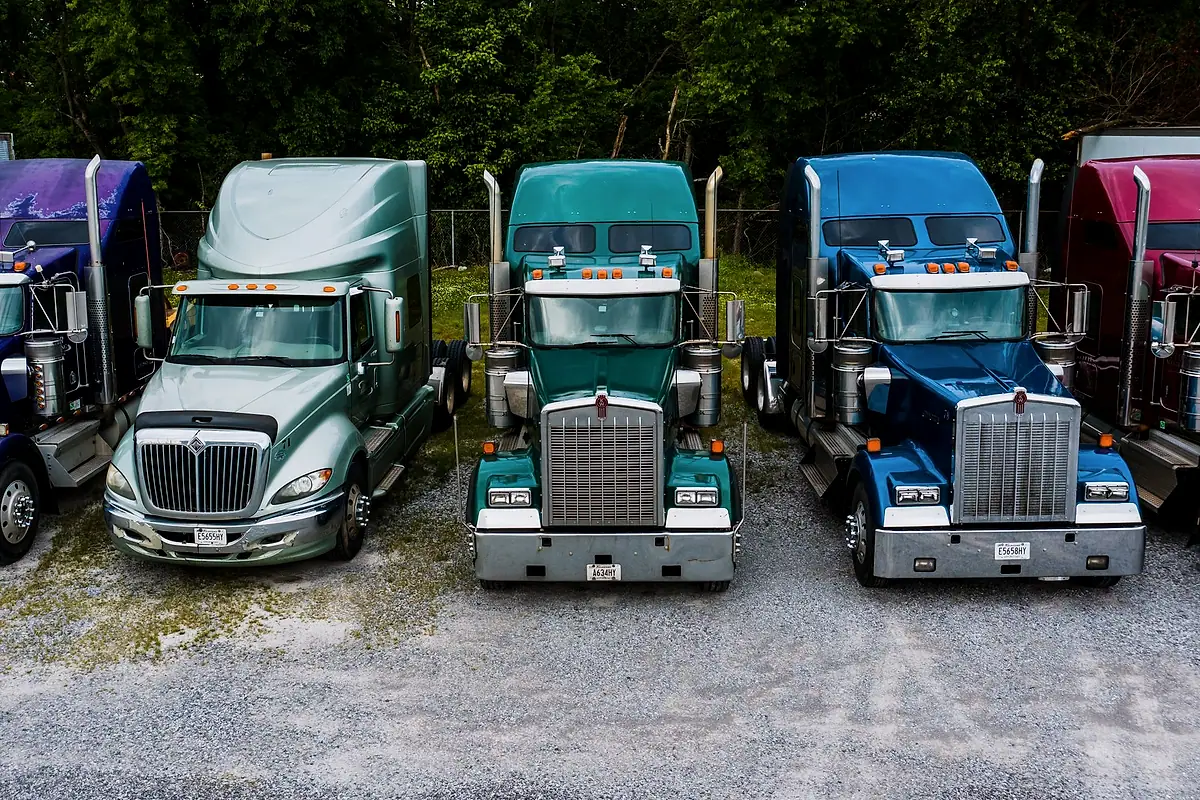
Commercial Truck Driver Fatigue: Statistics and Safety Risks
Investigators coded fatigue for 13 percent of truck drivers in the largest federal study of serious truck crashes. Police coded it for 1.4 percent in the 2019 and 2020 fatal-crash census. The gap is the story.
Editorial Desk8 min read
The rules in numbers
11 hoursDriving allowed a property-carrying driver after 10 straight hours off duty.49 CFR 395.3
$750,000Federal minimum liability coverage for a general-freight carrier, unchanged since 1985.49 CFR 387.9
13%Trucks in the 2001–2003 federal causation study with driver fatigue coded as an associated factor.FMCSA, LTCCS
6 monthsHow long carriers must keep electronic logging records and supporting documents.49 CFR 395.8
Road Safety
Why crashes happen on ordinary roads, and what the research says about preventing them.
All road safety coverage
Deer Collisions in Virginia: Statistics, Seasonal Risk and What Follows a Strike
Virginia's crash database records thousands of deer collisions a year, and the state's own researchers say it misses most of them. A guide to the numbers, the season and the aftermath.
Editorial Desk8 min read


Pedestrians, Cyclists and the Shape of the Road
Editorial Desk
How to cite the “94 percent human error” figure accurately
NHTSA, DOT HS 812 115
Law & Liability
How carriers, drivers and insurers answer for a crash. Explanation, not legal advice.
Insurance coverageUnderstanding Liability in Commercial Vehicle Collisions
A crash involving a commercial truck can draw in far more parties than the two drivers. Each faces its own theory of responsibility, shaped by federal safety rules and by the law of the state where the case is heard.
Editorial Desk8 min read
Terms, defined
- Negligence
- Failing to use the care a reasonably careful person would use in the same situation. A claim also needs a duty, causation and harm.
- Vicarious liability
- An employer answering for an employee’s negligence on the job, the doctrine courts call respondeat superior.
- Contributory negligence
- In Alabama, Maryland, North Carolina, Virginia and D.C., a plaintiff found even partly at fault is generally barred from recovering.
- Spoliation
- The loss or destruction of evidence a party had a duty to keep. Courts can respond with sanctions or adverse instructions.
- MCS-90
- The endorsement that guarantees payment of a judgment to the public, up to a motor carrier’s federal minimum.
- The “critical reason”
- NHTSA’s term for the immediate reason for the last event before a crash. The agency says it is not a finding of cause or fault.
General explanations only. BTT Road & Legal is a publication, not a law firm.
Our data pages say what a number measures, which file it came from and what it leaves out.
- Research
Texas Commercial Truck Crash Statistics
- Research
A Field Guide to U.S. Crash Data: FARS, CRSS, MCMIS and the Causation Studies
- Trucking
Leading Causes of Large Truck Crashes
- Road Safety
What Percentage of Car Accidents Are Caused by Human Error?
| Dataset | Publisher | Covers | Years |
|---|---|---|---|
| FARS | NHTSA | Every fatal crash on U.S. public roads | 1975 to date |
| CRSS | NHTSA | Sample of police-reported crashes | 2016 to date |
| MCMIS | FMCSA | Truck and bus crashes and inspections | Ongoing |
| CRIS | TxDOT | Reportable crashes in Texas | Ongoing |
| LTCCS | FMCSA | 967 serious large-truck crashes | 2001 to 2003 |
| NMVCCS | NHTSA | Light-vehicle crash causation | 2005 to 2007 |
Our pages may be cited with attribution. Data questions: editorial@bttlaw.com
Road Safety Briefing
Selected transportation, safety and legal research, delivered periodically. No sponsors in the briefing, and we never share your address.
Email briefing@bttlaw.com with the subject “Subscribe.” Reply “Unsubscribe” to leave at any time.